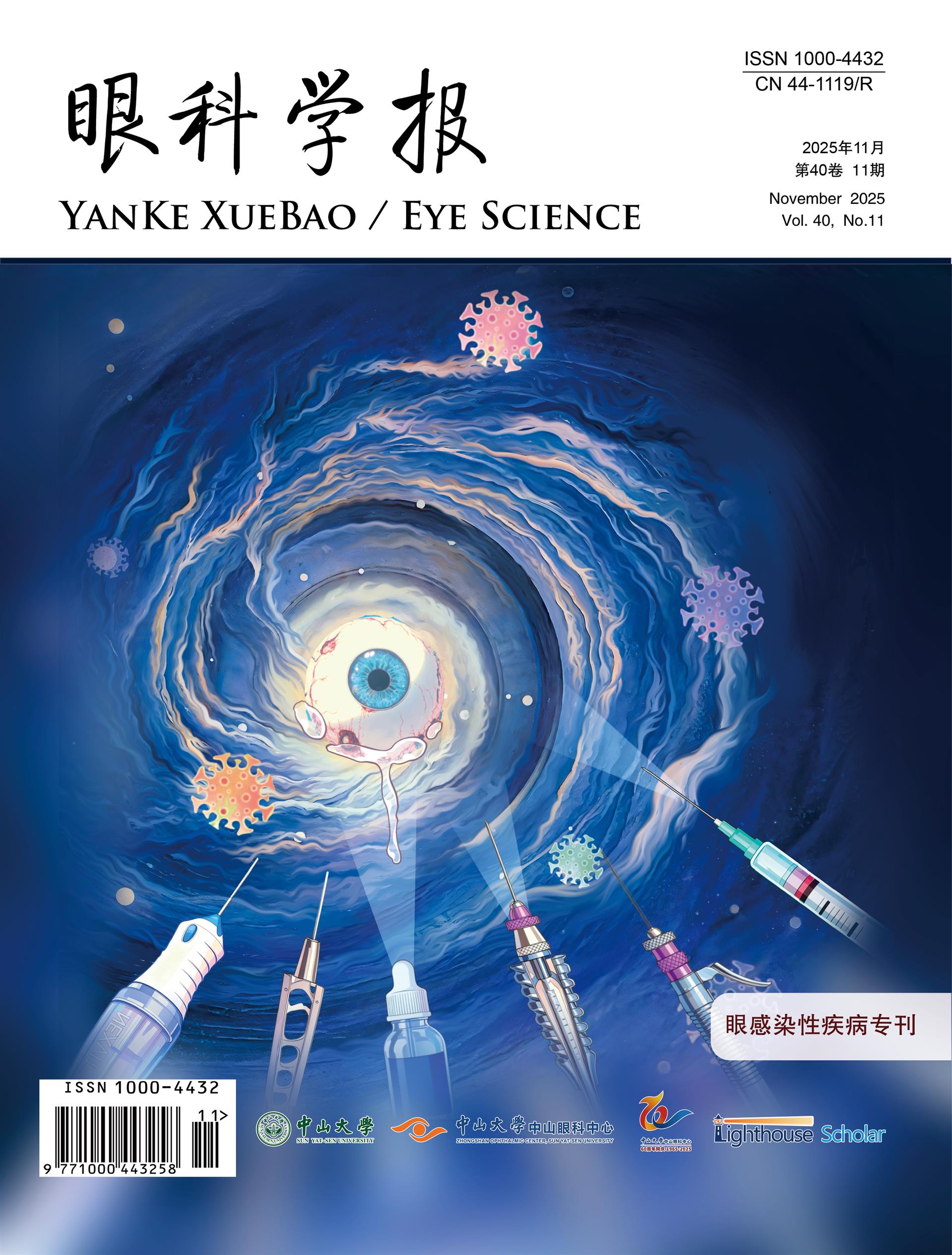
Bacillus cereus endophthalmitis is a severe ocular infection characterized by rapid progression and a poor prognosis, which can originate from either exogenous or endogenous sources. Clinically, it manifests as coffee-colored hemorrhages in ocular tissues, coffee-colored hypopyon in the anterior chamber, and irreversible retinal damage. Despite the implementation of infection control measures, such as vancomycin treatment and vitrectomy, 75%–91% of patients are unable to regain functional vision. Moreover, approximately 30% of patients require enucleation or removal of ocular contents, resulting in significant disability. The current clinical diagnosis and treatment of Bacillus cereus infections are confronted with two major challenges. Firstly, the pathogenic mechanisms are complex, and key contributing factors remain unidentified. Secondly, although vitrectomy combined with vancomycin can slow down the progression of the disease, the prognosis for most patients remains dismal, highlighting the urgent need for improved diagnostic and treatment strategies. This review conducts a systematic examination of the molecular pathogenic mechanisms of B. cereus endophthalmitis, integrating findings from both domestic and international studies. Specifically, this paper offers a comprehensive and systematic review of the latest research on the molecular pathogenic mechanisms of Bacillus cereus endophthalmitis, with a focus on four main areas: the membrane-damaging effects and inflammatory responses induced by cytolytic toxins (HBL/NHE/CytK/hemolysin); the invasiveness of phospholipases and immune evasion by superoxide dismutase; the pathogenic effects of bacterial structural components (flagella, pili, S-layer proteins); the imbalance in host immune responses (TLR receptors/NLRP3 inflammasome). By integrating and analyzing research data from both domestic and international, this review aims to establish a theoretical framework. This framework is intended to enhance in-depth understanding of the disease’s pathogenic mechanisms, facilitate the exploration of targeted therapeutic strategies, and offer insights into the future prospects of translational medicine.